Diet Tips
Here are few tips that you can use in your dieting:
1. Eight, 8 oz. glasses of water everyday...this is a common diet tip and most people know this, yet they still don't drink enough water during the day.
Important reasons for drinking water,
a) Its zero calorie, zero chemical, zero caffeine, and the ideal thing to curb your appetite.
b) Drinking water will flush out the bad toxins in your body, will get your kidney's working, and even help your metabolism speed up a little.
c) Drinking water also takes up space in your stomach, it reduces the cravings just a bit, and will make you feel a little more full when you do eat your calories for the day.
d) If you want an added benefit from water, make sure you drink cold water, this will speed up your metabolism a bit and make you burn up a few extra calories.
e) The fat that you are losing sometimes has stored toxins in it, drinking water will help flush out those toxins.
2. Keep track of your progress, so that you are focused.
3. Variety may be the spice of life, but it also can be the downfall of a good diet. Even though you are tempted, avoid junk foods if you are serious about losing weight.
4. Smaller meals throughout the day rather then larger meals. If you eat smaller meals throughout the day, your metabolism will stay at a higher rate and you won't feel as hungry throughout the day.
5. Eat negative calorie foods. Most people are not aware what negative calorie foods mean. (Refer to the data given below titled "Negative Calorie foods").
6. Eat to live, don't live to eat.
7. Exercise, as I said in the exercise section, its important to add muscle to your body, why? Because muscle burns up calories 18 times faster then fat does on your body. So, add more muscle, your metabolism is increased, and you can burn off more calories per day.
8. Plan ahead - the fast food industry banks on people's need for food on the go...if you take the time to prepare your breakfast, lunch and dinner, you become a little more in control of your daily caloric intake. While you can eat at fast food places, your gorge on junk foods and well, the result is FAT.
9. Eat slowly. I know that sometimes you have to rush your food down because you're late for work or late for an appointment, but if you eat slowly you will enjoy the food more, you will feel a little more satisfied, and your body can honestly tell you, "Hey, I'm full, no need to finish that whole plate of food" if you eat to quickly your body doesn't have time to send you the message that you're full and you end up eating more.
Negative Calorie Foods
These are foods that take up more caloric energy to digest then the calories that are in them. Your body has to expend energy in order to digest and absorb foods, in fact, 10% of your daily caloric intake is used to process foods in your body. So these "negative" calorie foods are foods that take more calories to digest then actual calories in the item of food.
Vegetables :
Asparagus, beet, broccoli, cabbage (green), carrot, cauliflower, Chile peppers (hot), cucumber, garlic, green beans, onion, papaya, radish, and spinach.
Fruits :
Apple, lemon, mango, orange, pineapple, and strawberries.
Showing posts with label Health Tips. Show all posts
Showing posts with label Health Tips. Show all posts
Friday, October 31, 2008


Fiber foods
Fiber Foods
Fiber, also called roughage or cellulose, should be an important part of anyone's daily diet. It helps to reduce fatty deposits. Here is how it works: When fiber enters your digestive system it absorbs the available liquids, then as it goes through the body it almost has a sweeping or cleaning effect on the cells.
Fiber is not digested by your system. It goes through your system sweeping out the bad stuff and then facilitates elimination. It also reduces the re-absorbtion of bile salts (salts that digest and break up fats). Since the bile salts are prevented from re-absorbing, the fat is not permitted to re-enter into your system again. It is flushed out.
Fiber controls Weight
High fiber can control weight, by:
1. Reducing the caloric density of your diet.
2. Slow the rate at which calories are ingested.
3. Slightly decrease the speed by which dietary energy is absorbed
4. It will also add volume to your diet, leaving you feeling fuller longer.
Fiber rich foods
1. Whole grains and the bran of grains.
2. Vegetables, best if eaten raw, but could be slightly cooked.
3. Root vegetables, like: Carrots, white and sweet potatoes.
4. Fruits & Vegetables with tough skins .
5. Pod Vegetables, like green beans and green peas.
6. Seed & Nuts, but definitely unsalted!
You should really add it to your daily diet.
Fiber, also called roughage or cellulose, should be an important part of anyone's daily diet. It helps to reduce fatty deposits. Here is how it works: When fiber enters your digestive system it absorbs the available liquids, then as it goes through the body it almost has a sweeping or cleaning effect on the cells.
Fiber is not digested by your system. It goes through your system sweeping out the bad stuff and then facilitates elimination. It also reduces the re-absorbtion of bile salts (salts that digest and break up fats). Since the bile salts are prevented from re-absorbing, the fat is not permitted to re-enter into your system again. It is flushed out.
Fiber controls Weight
High fiber can control weight, by:
1. Reducing the caloric density of your diet.
2. Slow the rate at which calories are ingested.
3. Slightly decrease the speed by which dietary energy is absorbed
4. It will also add volume to your diet, leaving you feeling fuller longer.
Fiber rich foods
1. Whole grains and the bran of grains.
2. Vegetables, best if eaten raw, but could be slightly cooked.
3. Root vegetables, like: Carrots, white and sweet potatoes.
4. Fruits & Vegetables with tough skins .
5. Pod Vegetables, like green beans and green peas.
6. Seed & Nuts, but definitely unsalted!
You should really add it to your daily diet.
Diuretic foods
Diuretic foods
What is a Diuretic?
A diuretic is a medication or chemical that promotes the elimination of fluid in the body. This can lead to an accelerated metabolism that seems to flush out the fatty deposits that may lodge themselves on cells. Diuretics break down fatty deposits into small chunks and makes it easier for your body to flush these nasty little things out of your body.
Asparagus
Asparagus contains the chemical asparagine. This is an alkaloid that stimulates the kidneys and improve the circulatory process. These alkaloids directly effect the cells and break down fat. It also contains a chemical that helps to remove waste from the body by breaking up the oxalic acid, this acid tends to glue fat to cells, so by breaking the acid up, it helps to reduce fat levels.
Beets
Beets are a strong diuretic that focuses on the liver and kidneys. Beets flush out floating body fats. They have a special iron the cleanses the corpuscles, corpuscles are blood cells that can contain fat deposits.
It also contains chlorine that also helps to flush out fatty deposits. This chlorine stimulates the lymph which will clear out the fat deposits.
Cabbage
This cleanses your body of waste matter because it contains sulphur and iodine, which helps to cleanse the mucous membrane of the stomach and intestines. Cabbage is a great food if you should have a pot belly or a middle age spread. The diuretic cabbage will help to break up the fat in this area.
Carrots
Carrots contains carotene, a form of Vitamin A, this carotene will start a fat flushing reaction in your system. This reaction will literally wash out fat and waste quickly. The carotene will be transformed into vitamin A in the intestines and this process will create a speed up in your metabolism and cause a reaction in your cells to remove fat deposits.
Cucumber
Cucumber contains a high sulphur and silcon content. These minerals work to stimulate the kidneys to wash out uric acid, which is a waste product. With this uric acid being washed out, it stimulates the removal of fat, and loosens the fat from the cells.
Garlic
Garlic is the most sought after diuretic. Garlic oil create a cleansing action in the body. They promote a vigorous action of peristalsis, which is muscular contraction, and this will loosen fat and help wash out fats. They can also breakdown clumps of fat. So eat garlic and thin down.
Lettuce (Salad leaves)
Lettuce contains iron and magnesium. These minerals will enter your spleen, your spleen helps your immunity and protects the body from illness. The spleen will use these minerals make them stronger, and send them to the cells and tissues.
It will also help the liver, increase your metabolism, and wash out fatty cells. The darker lettuces have more of the minerals. So add Lettuce to your diet NOW!
Onions
Onions, similar to garlic, have minerals and oils that will help to breakdown fat deposits and speed up your metabolism. Have raw onions every day, it has more power than garlic and with the milder smell, it will make an excellent addition to your diet.
Radishes
Radishes scrub the mucous membrane of the body because it contains high levels of Iron and Magnesium. These minerals actually help to dissolve fat in the cells.
Tomatoes
Tomatoes have high Vitamin C and Citricmalic-oxalic acids. The acid will accelerate the metabolic process. It also helps the kidneys to release more water and helps to wash away fat.
The natural acids with the enzyme activated minerals prompt the kidneys to filter out large quantities of fatty deposits and then you eliminate them from your system. So add tomatoes to your daily diet and your metabolism will thank you for it.
What is a Diuretic?
A diuretic is a medication or chemical that promotes the elimination of fluid in the body. This can lead to an accelerated metabolism that seems to flush out the fatty deposits that may lodge themselves on cells. Diuretics break down fatty deposits into small chunks and makes it easier for your body to flush these nasty little things out of your body.
Asparagus
Asparagus contains the chemical asparagine. This is an alkaloid that stimulates the kidneys and improve the circulatory process. These alkaloids directly effect the cells and break down fat. It also contains a chemical that helps to remove waste from the body by breaking up the oxalic acid, this acid tends to glue fat to cells, so by breaking the acid up, it helps to reduce fat levels.
Beets
Beets are a strong diuretic that focuses on the liver and kidneys. Beets flush out floating body fats. They have a special iron the cleanses the corpuscles, corpuscles are blood cells that can contain fat deposits.
It also contains chlorine that also helps to flush out fatty deposits. This chlorine stimulates the lymph which will clear out the fat deposits.
Cabbage
This cleanses your body of waste matter because it contains sulphur and iodine, which helps to cleanse the mucous membrane of the stomach and intestines. Cabbage is a great food if you should have a pot belly or a middle age spread. The diuretic cabbage will help to break up the fat in this area.
Carrots
Carrots contains carotene, a form of Vitamin A, this carotene will start a fat flushing reaction in your system. This reaction will literally wash out fat and waste quickly. The carotene will be transformed into vitamin A in the intestines and this process will create a speed up in your metabolism and cause a reaction in your cells to remove fat deposits.
Cucumber
Cucumber contains a high sulphur and silcon content. These minerals work to stimulate the kidneys to wash out uric acid, which is a waste product. With this uric acid being washed out, it stimulates the removal of fat, and loosens the fat from the cells.
Garlic
Garlic is the most sought after diuretic. Garlic oil create a cleansing action in the body. They promote a vigorous action of peristalsis, which is muscular contraction, and this will loosen fat and help wash out fats. They can also breakdown clumps of fat. So eat garlic and thin down.
Lettuce (Salad leaves)
Lettuce contains iron and magnesium. These minerals will enter your spleen, your spleen helps your immunity and protects the body from illness. The spleen will use these minerals make them stronger, and send them to the cells and tissues.
It will also help the liver, increase your metabolism, and wash out fatty cells. The darker lettuces have more of the minerals. So add Lettuce to your diet NOW!
Onions
Onions, similar to garlic, have minerals and oils that will help to breakdown fat deposits and speed up your metabolism. Have raw onions every day, it has more power than garlic and with the milder smell, it will make an excellent addition to your diet.
Radishes
Radishes scrub the mucous membrane of the body because it contains high levels of Iron and Magnesium. These minerals actually help to dissolve fat in the cells.
Tomatoes
Tomatoes have high Vitamin C and Citricmalic-oxalic acids. The acid will accelerate the metabolic process. It also helps the kidneys to release more water and helps to wash away fat.
The natural acids with the enzyme activated minerals prompt the kidneys to filter out large quantities of fatty deposits and then you eliminate them from your system. So add tomatoes to your daily diet and your metabolism will thank you for it.
Diet Food (Fat burning foods)
Fat burning foods
1) Citrus Fruits
Citrus fruits like, oranges, grapefruit, lemons, and limes contain high concentrations of Vitamin C (this is also called ascorbic acid). This Vitamin C has a fat burning quality.
Vitamin C reduces the effectiveness of fat. It reduces its content and can liquefy or dilute fat. By diluting the fat, it makes it less effective, and easier to flush out of your system. Vitamin C also works on cholesterol deposits. Vitamin C can help burn out the cholesterol, hence, making it difficult for cholesterol deposits to form in blood vessels.
By adding Citrus Fruits to your daily diet, try every meal and also a snack, you will greatly increase your metabolism, increase your ability to get rid of fat, and also help you to control your cholesterol levels.
2) Soybeans
Soybeans contain lecithin, this chemical will shield your cells from accumulating fat. This chemical prevents, like a shield, fat from forming on your cells. It will also break down fatty deposits in your body.
Eat soybeans at least 3 times a week and you'll be boosting your bodies ability to get rid of fat. You can find soybeans in most health food stores.
3) Apples, Berries, Fresh Fruit
Apples contain a chemical call pectin. This chemical is found in most berries, and fresh fruit. The pectin is in the cell walls of most fruits, especially apples.
Pectin limits the amount of fat your cells can absorb. This will put a natural limitation on the amount of fat your cells can absorb. Pectin, once in your system, has a water binding property, it absorbs watery substances, and these watery substances in turn bombards the cells and makes it release fat deposits.
Add applesauce (it's loaded with pectin), apples, fresh fruit and berries, to your diet and let the power of pectin pulverize the fat that accumulates on your cells. An apple a day can help keep the fat away.
4) Garlic Oil
Garlic oil or the juice of garlic has a significant protective quality to cells which help to reduce fatty deposits. When taken, it brings down the levels of fat. Garlic, garlic oil, or anything with garlic, also has an antibiotic property to it and can be used to cure many ailments.
It can be used as an antibiotic, it also destroys bacterial infections, and has the power to reduce fat in your cells dramatically.
1) Citrus Fruits
Citrus fruits like, oranges, grapefruit, lemons, and limes contain high concentrations of Vitamin C (this is also called ascorbic acid). This Vitamin C has a fat burning quality.
Vitamin C reduces the effectiveness of fat. It reduces its content and can liquefy or dilute fat. By diluting the fat, it makes it less effective, and easier to flush out of your system. Vitamin C also works on cholesterol deposits. Vitamin C can help burn out the cholesterol, hence, making it difficult for cholesterol deposits to form in blood vessels.
By adding Citrus Fruits to your daily diet, try every meal and also a snack, you will greatly increase your metabolism, increase your ability to get rid of fat, and also help you to control your cholesterol levels.
2) Soybeans
Soybeans contain lecithin, this chemical will shield your cells from accumulating fat. This chemical prevents, like a shield, fat from forming on your cells. It will also break down fatty deposits in your body.
Eat soybeans at least 3 times a week and you'll be boosting your bodies ability to get rid of fat. You can find soybeans in most health food stores.
3) Apples, Berries, Fresh Fruit
Apples contain a chemical call pectin. This chemical is found in most berries, and fresh fruit. The pectin is in the cell walls of most fruits, especially apples.
Pectin limits the amount of fat your cells can absorb. This will put a natural limitation on the amount of fat your cells can absorb. Pectin, once in your system, has a water binding property, it absorbs watery substances, and these watery substances in turn bombards the cells and makes it release fat deposits.
Add applesauce (it's loaded with pectin), apples, fresh fruit and berries, to your diet and let the power of pectin pulverize the fat that accumulates on your cells. An apple a day can help keep the fat away.
4) Garlic Oil
Garlic oil or the juice of garlic has a significant protective quality to cells which help to reduce fatty deposits. When taken, it brings down the levels of fat. Garlic, garlic oil, or anything with garlic, also has an antibiotic property to it and can be used to cure many ailments.
It can be used as an antibiotic, it also destroys bacterial infections, and has the power to reduce fat in your cells dramatically.
Diet Tips
Diet Tips.
The diet for workout people, should at least include the following:
• 4 to 6 small meals per day (every 2½ to 3 hours)
• Each meal should include a portion of proteins
• A good multivitamin/mineral supplement
• You should drink more than two liters of water a day (stipulated is 2.4 litres/ day)
• A beverage containing 70 to 75 grams of carbohydrates (or a banana) to be taken right after the workout (The common man’s energy source is definitely the banana)
• More than 50 grams of proteins to be taken within 1½ hours following the workout.
If you fail to include one or more of the above elements in your daily diet, optimal muscle development will not be achieved. In addition, the above-mentioned dietary regime is a proven method to keep your body fat content low.
Metabolism
First, let’s see what do we mean by metabolism.
Your metabolism is like the engine of your body. You take in food, and your metabolism or engine, either uses it for energy, stores it as fat, and or creates the waste product of what couldn't be used.
Now you can realize why people get fat.
The probable reasons are
1. Taking in too much food, your body then converts it and stores it in the form of fat,
2. A slow metabolism, where you aren't really eating that much, but you don't burn up the food efficiently,
3. Inactivity, if you don't move around enough, your body just can't burn up the food that it takes in during the day.,
4. There are some medical conditions that may also cause obesity.
Exercise
Exercise is very important, it boosts the metabolism and burns off calories. The chart below gives a rough estimate of how much you would burn off doing certain popular activities. The chart is based on a person that weighs 150 pounds. If you weigh more than you will burn up more calories, if you weigh less the reverse is true and you'll burn up less. To find out how many calories you would burn up for your weight all you would have to do is, divide your weight by 150 and multiply the number of calories in the chart by that number.
Chart showing the energy expended for person having weight 155 lbs and 190 lbs for different kinds of activities. This is the energy expended (calorific value) for the duration of 1 hour.
To calculate the calorie lost by you, follow the given steps.
i) You will need to divide your weight by 155 lbs or 190 lbs whichever is nearer to your weight.
ii) Decide which is the activity under consideration by you.
iii) Now multiple the calorie value with the result as obtained in Step (i)
iv) The resultant value will be the calorie lost by you for the selected activity.
E.g.
i) Suppose your weight is 200 lbs (It is necessary to convert your weight from Kgs to lbs : 1 Kg = 2.2 lbs).
ii) Now divide your weight 200lbs by 190 lbs (i.e. 1.05)
iii) If the activity selected by you is Running, 12 minutes per mile, then the calorie value for 190 lbs is 689. Hence multiply 1.05 with 689 = 723 calories.
You can use the CALORIE Calculator.
To use the Calorie Calculator effectively, please follow the steps given as under.
a) Find out which activity is the one you are interested in, and note down the calorie value for the weight you are closest to.
E.g. If your weight is 77 Kg, you will need to select the calorie value for 70 Kg from the table given below.
b) Click the link for the Calorie Calculator. It will prompt you for basic inputs such as (i) Your weight, (ii) The weight you are
closest to, (iii) The calorie value that you have noted down with respect to step (a).
c) Please ensure to enter the values and press the ENTER key. Thank you.
The diet for workout people, should at least include the following:
• 4 to 6 small meals per day (every 2½ to 3 hours)
• Each meal should include a portion of proteins
• A good multivitamin/mineral supplement
• You should drink more than two liters of water a day (stipulated is 2.4 litres/ day)
• A beverage containing 70 to 75 grams of carbohydrates (or a banana) to be taken right after the workout (The common man’s energy source is definitely the banana)
• More than 50 grams of proteins to be taken within 1½ hours following the workout.
If you fail to include one or more of the above elements in your daily diet, optimal muscle development will not be achieved. In addition, the above-mentioned dietary regime is a proven method to keep your body fat content low.
Metabolism
First, let’s see what do we mean by metabolism.
Your metabolism is like the engine of your body. You take in food, and your metabolism or engine, either uses it for energy, stores it as fat, and or creates the waste product of what couldn't be used.
Now you can realize why people get fat.
The probable reasons are
1. Taking in too much food, your body then converts it and stores it in the form of fat,
2. A slow metabolism, where you aren't really eating that much, but you don't burn up the food efficiently,
3. Inactivity, if you don't move around enough, your body just can't burn up the food that it takes in during the day.,
4. There are some medical conditions that may also cause obesity.
Exercise
Exercise is very important, it boosts the metabolism and burns off calories. The chart below gives a rough estimate of how much you would burn off doing certain popular activities. The chart is based on a person that weighs 150 pounds. If you weigh more than you will burn up more calories, if you weigh less the reverse is true and you'll burn up less. To find out how many calories you would burn up for your weight all you would have to do is, divide your weight by 150 and multiply the number of calories in the chart by that number.
Chart showing the energy expended for person having weight 155 lbs and 190 lbs for different kinds of activities. This is the energy expended (calorific value) for the duration of 1 hour.
To calculate the calorie lost by you, follow the given steps.
i) You will need to divide your weight by 155 lbs or 190 lbs whichever is nearer to your weight.
ii) Decide which is the activity under consideration by you.
iii) Now multiple the calorie value with the result as obtained in Step (i)
iv) The resultant value will be the calorie lost by you for the selected activity.
E.g.
i) Suppose your weight is 200 lbs (It is necessary to convert your weight from Kgs to lbs : 1 Kg = 2.2 lbs).
ii) Now divide your weight 200lbs by 190 lbs (i.e. 1.05)
iii) If the activity selected by you is Running, 12 minutes per mile, then the calorie value for 190 lbs is 689. Hence multiply 1.05 with 689 = 723 calories.
You can use the CALORIE Calculator.
To use the Calorie Calculator effectively, please follow the steps given as under.
a) Find out which activity is the one you are interested in, and note down the calorie value for the weight you are closest to.
E.g. If your weight is 77 Kg, you will need to select the calorie value for 70 Kg from the table given below.
b) Click the link for the Calorie Calculator. It will prompt you for basic inputs such as (i) Your weight, (ii) The weight you are
closest to, (iii) The calorie value that you have noted down with respect to step (a).
c) Please ensure to enter the values and press the ENTER key. Thank you.
Weight Training - Abs workout
Weight Training - Abdominals workout.
Every man and woman dreams of having washboard abs. It may not be possible for all of us. It is also necessary to have a low BMI (body mass index) in order to show those enviable washboard abs.
What I would advice is to have strong abdominal muscles that will give you the wonderful posture and ensure that you have the much vouched after waistline without the extra flabs and tyres.
When God made man, he made him / her beautiful. But as man grows up and indulges in life's rewards, pleasures and vices; we turn the beautiful body given by God to something that we hate. Isn't it?
Most people would look in the mirror and ask that single question "Is my body resembling a pear or an apple?". Having a good abdominal routine will take your nearer to the dream physique that you always dream about. Well, Get going and see for yourself.
As the famous bodybuilding saying goes "NO PAIN, NO GAIN"; be prepared to take some pains, spend a few minutes a day and ensure a fitter and motivated you.
The abdominals comprise of
- Transversus abdominus (stabilise the trunk and maintain internal abdominal pressure)
- Rectus abdominus (basically called the six-pack)
- Obliques (Internal and External) - (enables your trunk to twist in either direction)
The commonly used exercises are
1) Straight crunch
Lay supine, your lower legs can be placed across a bench to relieve tension in the
back and to partially avoid the use of your deep hip muscles.
Put your hands on top of your legs. Elevate your upper body in a gradual movement till your shoulder blades are off the floor.
In this position put extra emphasis on the contraction of the abdominal muscles now slowly return to the starting position.
This exercise puts emphasis on the M. rectus abdominus and M. transversus abdominus.
2) Side crunch
Lay supine, your lower legs can be placed across a bench to relieve tension in the back and to partially avoid the use of your deep hip muscles.
Put your hands next to your ears with your elbows out. Elevate your upper body and turn one shoulder in the direction of the opposite leg till the shoulder blade is off the floor.
In this position put extra emphasis on the contraction of the abdominal muscles now slowly return to the starting position.
This exercise puts emphasis on the M. obliquus abdominus.
3) Dynamic crunch
Lay supine.
From a straight position simultaneously pull in your legs towards your chest and elevate your upper body till your shoulder blades are off the bench.
4) Scissors
Sit across a bench. Extend your upper body and legs till you are in perfect balance.
Now repeatedly cross the legs one over the other.
This exercise will work your abdominal muscles in conjunction with your lower back muscles in a isometric fashion. (contraction without movement)
5) Sit up
Lay supine on a declined bench, elevate you upper body move back in a controlled manner.
In the beginning of the upward movement the abdominal muscles are primarily used concentric.
At the moment the shoulder blades are off the bench the deeper hip muscles are activated concentric and the abdominal muscles are used isometric.
Every man and woman dreams of having washboard abs. It may not be possible for all of us. It is also necessary to have a low BMI (body mass index) in order to show those enviable washboard abs.
What I would advice is to have strong abdominal muscles that will give you the wonderful posture and ensure that you have the much vouched after waistline without the extra flabs and tyres.
When God made man, he made him / her beautiful. But as man grows up and indulges in life's rewards, pleasures and vices; we turn the beautiful body given by God to something that we hate. Isn't it?
Most people would look in the mirror and ask that single question "Is my body resembling a pear or an apple?". Having a good abdominal routine will take your nearer to the dream physique that you always dream about. Well, Get going and see for yourself.
As the famous bodybuilding saying goes "NO PAIN, NO GAIN"; be prepared to take some pains, spend a few minutes a day and ensure a fitter and motivated you.
The abdominals comprise of
- Transversus abdominus (stabilise the trunk and maintain internal abdominal pressure)
- Rectus abdominus (basically called the six-pack)
- Obliques (Internal and External) - (enables your trunk to twist in either direction)
The commonly used exercises are
1) Straight crunch
Lay supine, your lower legs can be placed across a bench to relieve tension in the
back and to partially avoid the use of your deep hip muscles.
Put your hands on top of your legs. Elevate your upper body in a gradual movement till your shoulder blades are off the floor.
In this position put extra emphasis on the contraction of the abdominal muscles now slowly return to the starting position.
This exercise puts emphasis on the M. rectus abdominus and M. transversus abdominus.
2) Side crunch
Lay supine, your lower legs can be placed across a bench to relieve tension in the back and to partially avoid the use of your deep hip muscles.
Put your hands next to your ears with your elbows out. Elevate your upper body and turn one shoulder in the direction of the opposite leg till the shoulder blade is off the floor.
In this position put extra emphasis on the contraction of the abdominal muscles now slowly return to the starting position.
This exercise puts emphasis on the M. obliquus abdominus.
3) Dynamic crunch
Lay supine.
From a straight position simultaneously pull in your legs towards your chest and elevate your upper body till your shoulder blades are off the bench.
4) Scissors
Sit across a bench. Extend your upper body and legs till you are in perfect balance.
Now repeatedly cross the legs one over the other.
This exercise will work your abdominal muscles in conjunction with your lower back muscles in a isometric fashion. (contraction without movement)
5) Sit up
Lay supine on a declined bench, elevate you upper body move back in a controlled manner.
In the beginning of the upward movement the abdominal muscles are primarily used concentric.
At the moment the shoulder blades are off the bench the deeper hip muscles are activated concentric and the abdominal muscles are used isometric.
Weight Training - Leg workout
Weight Training - Leg workout
Having good legs ensures a strong base on which to further develop your upper body. Do not acquire a physique typically seen in cartoons; having a broad upper body on thin legs. Legs are my favorite routines in weight training.
I swear by these exercises, to give you fantastic thigh and calf muscles. The most important thing to remember is that it is also the most difficult of all exercise routines and is typically ignored.
Ensuring a good leg exercise routine invigorates the other compound muscles in your body.
The legs comprise the following
- Vastus medialis
- Adductor longus
- Sartorius
- Rectus femoris
- Bicep femoris
- Gastrocnemius
- Soleus
The commonly used exercises are
1) Squats
Place the bar behind the neck across the muscles on top of the shoulder blades.
Stand with a neutral spine. Bring feet shoulder-width apart. Start to descent with the hips back, the upper body is allowed to move forward as this is needed to keep balance.
Keep the weight centred over the mid foot and heels. Bend the knees till approximately 90 degree fl exion of the knees.
Return to the standing position, don’t lock the knees at the top of the movement. Make sure the knees stay centred above the ankles during the exercise.
Note: when the placement of the bar is painful you might try a wrapped towel around the bar or use isolation foam padding.
2) Lunge
Place the bar behind the neck across the shoulder blades.
The bar rests on the muscles of the upper part of the back. Put one leg straight out in front of the body with the foot flat on the floor.
Bend both knees simultaneously, the heel of the foot behind comes of the floor.
Bend till the front knee is at a 90 degree angle. Make sure the front knee does not move in front of the foot.
Keep the knee centered above the ankle. Stay in this lunge position and move up and down then switch legs.
3) Romanian (stiff legged) deadlift
Stand in front of the barbell with the feet at shoulder width, put the shins close to the barbell.
Bend in the knees and hips till the upper legs are close to horizontal.
Take the bar in both hands with the thumbs inwards and just outside of the legs. The back must be straight throughout the movement.
Pull the shoulder blades backwards and look up.
Now lift the weight of the floor by simultaneously extending the knees and hips.
From standing position bring the weight down by only bending forwards in the hips, keep the knees fixed in a slight bend.
Bring the weight down till just below the knees. Move back to the standing position.
At the end of the set bring the weight down by simultaneously bending the knees and the hips.
Again emphasis must be given to the lower back, this must be kept in a slight inward curve throughout the exercise. Be very careful choosing the right weight before doing this exercise.
4) CALVES
4a) Standing calve raiseStand on one leg with the ball of the foot on a light elevation.
Take a dumbell in one hand. Raise your heel of the floor and get on your toes as high as possible.
This exercise puts emphasis on the M. gastrocnemius (superficial calve muscle)
4b) Sitting calve raise
Sit across a bench. Put a barbell across your upper legs.
Put the balls of your feet on a light elevation. Raise your heels and get on your toes as high as possible.
This exercise puts emphasis on the M. Soleus (Deep calve muscle)
Having good legs ensures a strong base on which to further develop your upper body. Do not acquire a physique typically seen in cartoons; having a broad upper body on thin legs. Legs are my favorite routines in weight training.
I swear by these exercises, to give you fantastic thigh and calf muscles. The most important thing to remember is that it is also the most difficult of all exercise routines and is typically ignored.
Ensuring a good leg exercise routine invigorates the other compound muscles in your body.
The legs comprise the following
- Vastus medialis
- Adductor longus
- Sartorius
- Rectus femoris
- Bicep femoris
- Gastrocnemius
- Soleus
The commonly used exercises are
1) Squats
Place the bar behind the neck across the muscles on top of the shoulder blades.
Stand with a neutral spine. Bring feet shoulder-width apart. Start to descent with the hips back, the upper body is allowed to move forward as this is needed to keep balance.
Keep the weight centred over the mid foot and heels. Bend the knees till approximately 90 degree fl exion of the knees.
Return to the standing position, don’t lock the knees at the top of the movement. Make sure the knees stay centred above the ankles during the exercise.
Note: when the placement of the bar is painful you might try a wrapped towel around the bar or use isolation foam padding.
2) Lunge
Place the bar behind the neck across the shoulder blades.
The bar rests on the muscles of the upper part of the back. Put one leg straight out in front of the body with the foot flat on the floor.
Bend both knees simultaneously, the heel of the foot behind comes of the floor.
Bend till the front knee is at a 90 degree angle. Make sure the front knee does not move in front of the foot.
Keep the knee centered above the ankle. Stay in this lunge position and move up and down then switch legs.
3) Romanian (stiff legged) deadlift
Stand in front of the barbell with the feet at shoulder width, put the shins close to the barbell.
Bend in the knees and hips till the upper legs are close to horizontal.
Take the bar in both hands with the thumbs inwards and just outside of the legs. The back must be straight throughout the movement.
Pull the shoulder blades backwards and look up.
Now lift the weight of the floor by simultaneously extending the knees and hips.
From standing position bring the weight down by only bending forwards in the hips, keep the knees fixed in a slight bend.
Bring the weight down till just below the knees. Move back to the standing position.
At the end of the set bring the weight down by simultaneously bending the knees and the hips.
Again emphasis must be given to the lower back, this must be kept in a slight inward curve throughout the exercise. Be very careful choosing the right weight before doing this exercise.
4) CALVES
4a) Standing calve raiseStand on one leg with the ball of the foot on a light elevation.
Take a dumbell in one hand. Raise your heel of the floor and get on your toes as high as possible.
This exercise puts emphasis on the M. gastrocnemius (superficial calve muscle)
4b) Sitting calve raise
Sit across a bench. Put a barbell across your upper legs.
Put the balls of your feet on a light elevation. Raise your heels and get on your toes as high as possible.
This exercise puts emphasis on the M. Soleus (Deep calve muscle)
Weight Training - Back workout
Weight Training - Back workout
Your delicate spine is supported by well developed back muscles. This will prevent any major backaches and also improves your posture.
The back is comprised of
- Trapezius (supports your shoulder and neck)
- Latissimus dorsi (the major muscles of the back, what we call as the main contributer to the V-shape)
- Rhomboid major (supports the scapula to the vertebrate structure)
- Rhomboid minor (lies beneath the rhomboid major and serves the same function)
- Levator scapulae (supports the behind of your neck)
Dorian Yates : He redefined back development like nobody else has done before. He was Mr. Olympia from 1992 to 1997, and is considered one of the HUGE bodybuilders to grace the stage.
The commonly used exercises are
1) Good morning
Place the barbell behind the neck across the muscles on top of the shoulder blades.
Stand with a neutral spine. Bring the feet at shoulder width.
Flex the upper body by only bending in your hips, keep the knees in a slight bend. Your lower back must stay neutral.
To stay in balance your buttocks will have to move backwards. Do not go further than an 80 degree angle before coming up to a standing position.
This exercise is specially aimed at the lower back, buttocks and hamstrings. Be very careful in choosing the right amount of weight for this exercise to avoid tumbling forwards.
2) Dumbbell row
Stand with a slightly bend knee, take a dumbbell in one hand, put the opposite knee
and hand on the bench, turn the hand inwards.
Keep the back straight and head up.
Pull the weight in a diagonal pattern backwards up, keep the weight close to the body.
Squeeze the shoulder blades together at the end of the pull.
Lower the weight in a controlled fashion through the same diagonal back to the starting position.
3) Deadlift
Stand in front of the barbell with the feet at shoulder width, put the shins close to the barbell.
Bend in the knees and hips till the upper legs are close to horizontal. Take the bar in both hands with the thumbs inwards and just outside of the legs. The back must be straight throughout the movement.
Pull the shoulder blades backwards and look up.
Now lift the weight of the fl oor by simultaneously extending the knees and hips.
From standing position reverse the movement by bending the knees and hips and bring the weight back to the fl oor in a controlled manner, keep the back straight!!
Variations: The grip can be changed by using a different grip for each hand. (one with the thumb outwards, one with the thumb inwards)
4) Barbell row
Stand with both feet at shoulder width, bend the upper body forwards in the hips leaning in an angle between 45 and 90 degrees, keep the lower back in an inward curve throughout the exercise.
Keep the knees bend. Hold the barbell with both hands just outside shoulder width, thumbs inwards.
Pull the body to the bottom part of the chest, squeeze the shoulder blades together at the end of the pull and control the returning movement to the starting position.
Variation is possible by adjusting body angle, grip and width of the grip.
5) Shrugs
Stand up straight with feet at shoulder width. Hold the barbell with both hands and
thumbs inwards.
Keep the elbows fixed in a slightly bend position.
Pull up the shoulders towards the ears. Hold this position for a least a two count then control the downward movement.
Note: do not rotate back or forwards with the shoulders. This does not provide any more benefi ts to this exercise and most of all might cause neck and shoulder injuries!
Your delicate spine is supported by well developed back muscles. This will prevent any major backaches and also improves your posture.
The back is comprised of
- Trapezius (supports your shoulder and neck)
- Latissimus dorsi (the major muscles of the back, what we call as the main contributer to the V-shape)
- Rhomboid major (supports the scapula to the vertebrate structure)
- Rhomboid minor (lies beneath the rhomboid major and serves the same function)
- Levator scapulae (supports the behind of your neck)
Dorian Yates : He redefined back development like nobody else has done before. He was Mr. Olympia from 1992 to 1997, and is considered one of the HUGE bodybuilders to grace the stage.
The commonly used exercises are
1) Good morning
Place the barbell behind the neck across the muscles on top of the shoulder blades.
Stand with a neutral spine. Bring the feet at shoulder width.
Flex the upper body by only bending in your hips, keep the knees in a slight bend. Your lower back must stay neutral.
To stay in balance your buttocks will have to move backwards. Do not go further than an 80 degree angle before coming up to a standing position.
This exercise is specially aimed at the lower back, buttocks and hamstrings. Be very careful in choosing the right amount of weight for this exercise to avoid tumbling forwards.
2) Dumbbell row
Stand with a slightly bend knee, take a dumbbell in one hand, put the opposite knee
and hand on the bench, turn the hand inwards.
Keep the back straight and head up.
Pull the weight in a diagonal pattern backwards up, keep the weight close to the body.
Squeeze the shoulder blades together at the end of the pull.
Lower the weight in a controlled fashion through the same diagonal back to the starting position.
3) Deadlift
Stand in front of the barbell with the feet at shoulder width, put the shins close to the barbell.
Bend in the knees and hips till the upper legs are close to horizontal. Take the bar in both hands with the thumbs inwards and just outside of the legs. The back must be straight throughout the movement.
Pull the shoulder blades backwards and look up.
Now lift the weight of the fl oor by simultaneously extending the knees and hips.
From standing position reverse the movement by bending the knees and hips and bring the weight back to the fl oor in a controlled manner, keep the back straight!!
Variations: The grip can be changed by using a different grip for each hand. (one with the thumb outwards, one with the thumb inwards)
4) Barbell row
Stand with both feet at shoulder width, bend the upper body forwards in the hips leaning in an angle between 45 and 90 degrees, keep the lower back in an inward curve throughout the exercise.
Keep the knees bend. Hold the barbell with both hands just outside shoulder width, thumbs inwards.
Pull the body to the bottom part of the chest, squeeze the shoulder blades together at the end of the pull and control the returning movement to the starting position.
Variation is possible by adjusting body angle, grip and width of the grip.
5) Shrugs
Stand up straight with feet at shoulder width. Hold the barbell with both hands and
thumbs inwards.
Keep the elbows fixed in a slightly bend position.
Pull up the shoulders towards the ears. Hold this position for a least a two count then control the downward movement.
Note: do not rotate back or forwards with the shoulders. This does not provide any more benefi ts to this exercise and most of all might cause neck and shoulder injuries!
Weight Training - Triceps workout (Arms - II)
Weight Training - Triceps workout (Arms - II)
Tricep is the larger muscle in the arms. Proper development of tricep enhances the girth of the arms, giving you those powerful arms which you always dreamt.
The triceps is comprised of
- Brachailis
- Tricep long head
The commonly used tricep exercises are
1) One arm triceps extension (sitting or standing)
Take the dumbbell in one hand, straighten this arm upwards.
Thumb is turned inwards.
Bend the arm and bring the dumbbell to the back of the head. Straighten the arm by extending the elbow.
Note: this exercise puts strain on the shoulder joint and should be avoided when
experiencing discomfort in this area
2) Lying dumbbell triceps extension
Lay supine on the bench, take a dumbbell in one hand.
Let the arm point straight upwards, keep the hands turned inwards.
Bend the arm, keep the elbow pointing up.
Straighten the arm.
Variation: rotate the arm inwards and move the weight across the body to the opposite shoulder.
3) Dips behind the back
Put the barbell across the lap, put the feet a little further from the bench flat on the floor, put the hands on the edge of the bench and make a firm grip to avoid slipping.
Now move the buttocks forward from the bench.
Bend the arms till the upper arms are horizontal, straighten the arms.
Note: this exercise can also be done with the feet on an elevated object
4) Barbell extension (also called French Tricep extension)
Lay supine on a bench, place the barbell above your shoulders, thumbs turned inwards, hands close to each other with approximately one hands width in between.
Bend your arms, the barbell goes in the direction of the forehead.
Keep your elbows above your chest. Now extend your arms and return to the starting position.
5) Kick back
Stand with one slightly bend knee, take a dumbbell in one hand, put the opposite knee
and hand on the bench.
Keep the back straight and head up.
Keep the upper arm parallel to the upper body with the elbow bend 90 degrees, hand turned inwards.
Extend the elbow until the arm is parallel to the floor. Contract the triceps at the top of the motion.
Tricep is the larger muscle in the arms. Proper development of tricep enhances the girth of the arms, giving you those powerful arms which you always dreamt.
The triceps is comprised of
- Brachailis
- Tricep long head
The commonly used tricep exercises are
1) One arm triceps extension (sitting or standing)
Take the dumbbell in one hand, straighten this arm upwards.
Thumb is turned inwards.
Bend the arm and bring the dumbbell to the back of the head. Straighten the arm by extending the elbow.
Note: this exercise puts strain on the shoulder joint and should be avoided when
experiencing discomfort in this area
2) Lying dumbbell triceps extension
Lay supine on the bench, take a dumbbell in one hand.
Let the arm point straight upwards, keep the hands turned inwards.
Bend the arm, keep the elbow pointing up.
Straighten the arm.
Variation: rotate the arm inwards and move the weight across the body to the opposite shoulder.
3) Dips behind the back
Put the barbell across the lap, put the feet a little further from the bench flat on the floor, put the hands on the edge of the bench and make a firm grip to avoid slipping.
Now move the buttocks forward from the bench.
Bend the arms till the upper arms are horizontal, straighten the arms.
Note: this exercise can also be done with the feet on an elevated object
4) Barbell extension (also called French Tricep extension)
Lay supine on a bench, place the barbell above your shoulders, thumbs turned inwards, hands close to each other with approximately one hands width in between.
Bend your arms, the barbell goes in the direction of the forehead.
Keep your elbows above your chest. Now extend your arms and return to the starting position.
5) Kick back
Stand with one slightly bend knee, take a dumbbell in one hand, put the opposite knee
and hand on the bench.
Keep the back straight and head up.
Keep the upper arm parallel to the upper body with the elbow bend 90 degrees, hand turned inwards.
Extend the elbow until the arm is parallel to the floor. Contract the triceps at the top of the motion.
Weight Training - Biceps workout (Arms - I)
Weight Training - Biceps workout (Arms - I)
Every man dreams of massive arms and popeye like forearms. The arms comprise the Biceps and Triceps. To add that massive look, it is necessary to have well-developed biceps and triceps too. Most of us concentrate on a particular muscle type, primarily the Biceps and totally ignore the Triceps.
Here are the commonly recommended Biceps routine.
The bicep muscles are developed on a full contraction. This is when the blood rushes into the biceps muscles and promote growth and subsequent repair.
Notice that in the diagram given above, the bicep is contracted and the tricep is relaxed.
You will find the commonly used bicep exercises illustrated below. Go for that massive biceps.
1) Barbell curl
Hold the barbell in both hands with the thumbs outwards. Keep the hands just outside
the hips (standard exercise).
Bend the arms, stabilise the upper body by isometric contraction of the lower back/ buttock and abdominal muscles, keep the elbows close to the sides.
By changing the width of the grip you can emphasise different parts of the biceps.
A close grip will emphasise the inner part of the biceps (caput breve), a wider grip will put more emphasis on the outer part of the biceps (caput longum).
2) Concentration curl
Sit on a bench, both legs on one side, create a solid base by putting the feet flat on the floor, keep the lower back straight and the shoulder slightly backwards.
Hold a dumbbell in one hand, turn the hand inwards, put the back of the elbow against
the inner leg.
Bend the arm, put emphasis on the upper part of the movement by an extra contraction
of the biceps.
3) Hammer curl
Hold a dumbbell in each hand, turn the hands inwards. Bend the arms keep the hands turned inwards during the entire exercise, keep the elbows close to the sides.
This exercise works both the biceps and the brachioradialis (muscle that runs over the outside of the elbow).
A variation to this exercise can be made by moving the weight to the front of the opposite shoulder.
4) Reverse Barbell curl
Hold the barbell in both hands with the thumb inwards.
Keep the hands just outside the hips.
Bend the arms, stabilise the upper body.
This exercise puts extra emphasis on the M.B rachioradialis and several wrist extensors.
5) Dumbbell curl (sitting or standing)
Hold a dumbbell in each hand, turn the hands inwards.
Bend the arms and simultaneously, turn the hand outwards (this works the biceps at both functions: bending the arm and supination of the lower arm).
At the end of the movement an extra stimulus can be given by elevating the elbow until horizontal.
Note: The sitting position has a slight advantage for isolation of the biceps as it is harder to cheat by rocking the upper body back and forward.
The standing position is preferred when the exercise is more aimed at a functional level.
Every man dreams of massive arms and popeye like forearms. The arms comprise the Biceps and Triceps. To add that massive look, it is necessary to have well-developed biceps and triceps too. Most of us concentrate on a particular muscle type, primarily the Biceps and totally ignore the Triceps.
Here are the commonly recommended Biceps routine.
The bicep muscles are developed on a full contraction. This is when the blood rushes into the biceps muscles and promote growth and subsequent repair.
Notice that in the diagram given above, the bicep is contracted and the tricep is relaxed.
You will find the commonly used bicep exercises illustrated below. Go for that massive biceps.
1) Barbell curl
Hold the barbell in both hands with the thumbs outwards. Keep the hands just outside
the hips (standard exercise).
Bend the arms, stabilise the upper body by isometric contraction of the lower back/ buttock and abdominal muscles, keep the elbows close to the sides.
By changing the width of the grip you can emphasise different parts of the biceps.
A close grip will emphasise the inner part of the biceps (caput breve), a wider grip will put more emphasis on the outer part of the biceps (caput longum).
2) Concentration curl
Sit on a bench, both legs on one side, create a solid base by putting the feet flat on the floor, keep the lower back straight and the shoulder slightly backwards.
Hold a dumbbell in one hand, turn the hand inwards, put the back of the elbow against
the inner leg.
Bend the arm, put emphasis on the upper part of the movement by an extra contraction
of the biceps.
3) Hammer curl
Hold a dumbbell in each hand, turn the hands inwards. Bend the arms keep the hands turned inwards during the entire exercise, keep the elbows close to the sides.
This exercise works both the biceps and the brachioradialis (muscle that runs over the outside of the elbow).
A variation to this exercise can be made by moving the weight to the front of the opposite shoulder.
4) Reverse Barbell curl
Hold the barbell in both hands with the thumb inwards.
Keep the hands just outside the hips.
Bend the arms, stabilise the upper body.
This exercise puts extra emphasis on the M.B rachioradialis and several wrist extensors.
5) Dumbbell curl (sitting or standing)
Hold a dumbbell in each hand, turn the hands inwards.
Bend the arms and simultaneously, turn the hand outwards (this works the biceps at both functions: bending the arm and supination of the lower arm).
At the end of the movement an extra stimulus can be given by elevating the elbow until horizontal.
Note: The sitting position has a slight advantage for isolation of the biceps as it is harder to cheat by rocking the upper body back and forward.
The standing position is preferred when the exercise is more aimed at a functional level.
Weight Training - Shoulder workout
Weight Training - Shoulder workout
Shoulders are comprised of
- Anterior deltoids
- Posterior deltoids
The commonly recommended exercises are
1) Front barbell press (military press)
Place the barbell across the upper part of the chest. Hold the bar with the hands just to the sides of the shoulders, thumbs are turned inwards.
Extend the arms upwards. This exercise can be done in sitting or standing position. In both positions you have to make sure you keep good posture throughout the motion, don’t bend the lower back inwards.
By placing the hands closer together more emphasis is on the front of the shoulder.
By placing the hands more outwards more emphasis is given to the lateral part of the
shoulder.
2) Dumbbell press
Take a dumbbell in both hands. Put the hands at shoulder height with the thumbs inwards.
Straighten the arms upwards.
Variations: This exercise can be done sitting or standing. The arms can be moved
simultaneously or one at a time. The hands can be turned inwards and moved towards
each other at the top.
3) Dumbbell side raises (also called Side Lateral raises)
Take a dumbbell in each hand, let the arms hang down with hands turned inwards (standard).
The starting position can be with hands in front, next to or behind the hips.
Keep the elbows slightly bend. Raise you arms sideways till horizontal.
Variations: hands can be moved simultaneously or one at a time.
Note: Please avoid elevating the arm above shoulder height as this might cause tendon problems.
Another way to avoid impingement of the tendons is to turn the palms of the hand upwards. This will create more space between the head of the upper arm and the outer part of the shoulder blade (acromion)
4) Bend over raise
Sit on one end of a bench, knees slightly bend.
Bend the upper body till horizontal keeping the back straight.
Hold a dumbbell in each hand, let the arm hang down with the elbows slightly bend. Lift the arms till horizontal.
5) Upright Row
Hold the barbell in front of the hips with thumbs inward.
Hold the hands close to each other with approximately one hand width in between. Pull the weight up towards the top of the chest, keep the weight close to the body.
Don’t lift the arms above shoulder height. Bring the weight back to the starting position, don’t lock the elbows.
Variation: you can put the barbell in front of you from the top position and bring it down in a half circle or the other way around, so out from the bottom part, half circle upwards and bring it in at the top and lower it close to the body.
Shoulders are comprised of
- Anterior deltoids
- Posterior deltoids
The commonly recommended exercises are
1) Front barbell press (military press)
Place the barbell across the upper part of the chest. Hold the bar with the hands just to the sides of the shoulders, thumbs are turned inwards.
Extend the arms upwards. This exercise can be done in sitting or standing position. In both positions you have to make sure you keep good posture throughout the motion, don’t bend the lower back inwards.
By placing the hands closer together more emphasis is on the front of the shoulder.
By placing the hands more outwards more emphasis is given to the lateral part of the
shoulder.
2) Dumbbell press
Take a dumbbell in both hands. Put the hands at shoulder height with the thumbs inwards.
Straighten the arms upwards.
Variations: This exercise can be done sitting or standing. The arms can be moved
simultaneously or one at a time. The hands can be turned inwards and moved towards
each other at the top.
3) Dumbbell side raises (also called Side Lateral raises)
Take a dumbbell in each hand, let the arms hang down with hands turned inwards (standard).
The starting position can be with hands in front, next to or behind the hips.
Keep the elbows slightly bend. Raise you arms sideways till horizontal.
Variations: hands can be moved simultaneously or one at a time.
Note: Please avoid elevating the arm above shoulder height as this might cause tendon problems.
Another way to avoid impingement of the tendons is to turn the palms of the hand upwards. This will create more space between the head of the upper arm and the outer part of the shoulder blade (acromion)
4) Bend over raise
Sit on one end of a bench, knees slightly bend.
Bend the upper body till horizontal keeping the back straight.
Hold a dumbbell in each hand, let the arm hang down with the elbows slightly bend. Lift the arms till horizontal.
5) Upright Row
Hold the barbell in front of the hips with thumbs inward.
Hold the hands close to each other with approximately one hand width in between. Pull the weight up towards the top of the chest, keep the weight close to the body.
Don’t lift the arms above shoulder height. Bring the weight back to the starting position, don’t lock the elbows.
Variation: you can put the barbell in front of you from the top position and bring it down in a half circle or the other way around, so out from the bottom part, half circle upwards and bring it in at the top and lower it close to the body.
Weight Training - Chest workout
Weight Training - Chest workout
The Chest is comprised of two major muscles
- Pectoralis major
- Pectoralis minor.
Most of the exercises primarily target the Pectoralis major muscles. The commonly recommended exercises are
1) Bench Press
Lay supine on the bench, put feet fl at on the fl oor for a solid base, put buttocks on the bench and keep it there throughout the exercise.
Position yourself directly under the bar at eye level. Hold the bar with the hands approximately 10 cm outside shoulder width. Thumbs inwards and wrapped around the bar (safety measure!)
Lower barbell to the bottom part of the chest, keep shoulders contracted backwards and chest up.
Extend the elbows, press the bar over the shoulders without locking the elbows.
Variations to put emphasis on different parts of the chest can be made in the placement of the bar on the chest and the grip width.
By putting the hands closer to each other more emphasis is put on the inside of the chest and triceps, by putting the hands wider more emphasis is brought to the outerpart of the chest and the shoulders.
2) Incline Press
Lay supine on the bench with the backrest elevated in a 45-60 degree angle.
Put feet flat on the fl oor for a solid base, put buttocks on the bench and keep it there throughout the exercise.
Position theself under the bar. Hold the bar with the hands approximately 10 cm outside shoulder width (standard method).
Thumbs inwards and wrapped around the bar (safety measure!)
Lower the barbell to the upper part of the chest, keep shoulders contracted backwards and chest up.
Extend the arms.
Variations can be made in the angle of elevation but as a general measure for training the chest should not exceed 60 degrees and the grip width can be changed to either put emphasis on the inner part of the chest (close grip) or outer part (wide grip)
3) Dumbbell Press
Lay supine on the bench.
Take a dumbbell in each hand, position hands at chest level, keep the weights just outside shoulder width, thumbs inwards. Extend the arms and simultaneously bring the dumbbells closer together.
Note: this exercise is very similar to the bench press with the barbell but the dumbbells give a greater range of motion and more stretch to the chest muscles.
4) Dumbbell Flyes
Lay supine on a bench.
Take a dumbbell in each hand, position the arms straight above the chest, keep the elbows slightly bend.
Lower the arms sideways till chest level while keeping the elbows slightly bend.
Bring the dumbbells back up following the same path as they went down and squeeze the chest muscles together at the end of the movement.
Keep the head on the bench.
Note: don’t let the upper arm go below chest level in the down position as this might cause shoulder problems.
5) Dumbbell Pull over
Lay supine on a bench, Take one dumbbell in both hands.
Extend the arms above the chest. Both hands are held close to each other with the thumbs turned inwards, the weights on the end of the dumbbell resting in the palm of the hands.
Move the dumbbell backwards behind the head toward the ground by bringing the arms back and bending the elbows, move back to the starting position.
Note: this exercise works both the chest, triceps, shoulders and back muscles.
It also stretches the ribcage and lengthens the upper body promoting an athletic body.
The Chest is comprised of two major muscles
- Pectoralis major
- Pectoralis minor.
Most of the exercises primarily target the Pectoralis major muscles. The commonly recommended exercises are
1) Bench Press
Lay supine on the bench, put feet fl at on the fl oor for a solid base, put buttocks on the bench and keep it there throughout the exercise.
Position yourself directly under the bar at eye level. Hold the bar with the hands approximately 10 cm outside shoulder width. Thumbs inwards and wrapped around the bar (safety measure!)
Lower barbell to the bottom part of the chest, keep shoulders contracted backwards and chest up.
Extend the elbows, press the bar over the shoulders without locking the elbows.
Variations to put emphasis on different parts of the chest can be made in the placement of the bar on the chest and the grip width.
By putting the hands closer to each other more emphasis is put on the inside of the chest and triceps, by putting the hands wider more emphasis is brought to the outerpart of the chest and the shoulders.
2) Incline Press
Lay supine on the bench with the backrest elevated in a 45-60 degree angle.
Put feet flat on the fl oor for a solid base, put buttocks on the bench and keep it there throughout the exercise.
Position theself under the bar. Hold the bar with the hands approximately 10 cm outside shoulder width (standard method).
Thumbs inwards and wrapped around the bar (safety measure!)
Lower the barbell to the upper part of the chest, keep shoulders contracted backwards and chest up.
Extend the arms.
Variations can be made in the angle of elevation but as a general measure for training the chest should not exceed 60 degrees and the grip width can be changed to either put emphasis on the inner part of the chest (close grip) or outer part (wide grip)
3) Dumbbell Press
Lay supine on the bench.
Take a dumbbell in each hand, position hands at chest level, keep the weights just outside shoulder width, thumbs inwards. Extend the arms and simultaneously bring the dumbbells closer together.
Note: this exercise is very similar to the bench press with the barbell but the dumbbells give a greater range of motion and more stretch to the chest muscles.
4) Dumbbell Flyes
Lay supine on a bench.
Take a dumbbell in each hand, position the arms straight above the chest, keep the elbows slightly bend.
Lower the arms sideways till chest level while keeping the elbows slightly bend.
Bring the dumbbells back up following the same path as they went down and squeeze the chest muscles together at the end of the movement.
Keep the head on the bench.
Note: don’t let the upper arm go below chest level in the down position as this might cause shoulder problems.
5) Dumbbell Pull over
Lay supine on a bench, Take one dumbbell in both hands.
Extend the arms above the chest. Both hands are held close to each other with the thumbs turned inwards, the weights on the end of the dumbbell resting in the palm of the hands.
Move the dumbbell backwards behind the head toward the ground by bringing the arms back and bending the elbows, move back to the starting position.
Note: this exercise works both the chest, triceps, shoulders and back muscles.
It also stretches the ribcage and lengthens the upper body promoting an athletic body.
Open up a new world with exercising
Open up a new world with exercising
Many of us might at one time or the other faced serious health problems, which arises due to neglect of your body. This has detrimental effects in the long run. Exercises in any form, light or heavy, aerobic or anaerobic, isotonic or isometric will greatly benefit your body and provide you preventive measures that normally befall us.
I will be explaining various techniques and forms of exercises, which you can inculcate into your system and benefit from the same. Techniques will be explained in detail for exercise forms such as Weight Training, Yoga, Aerobics.
CAUTION TO BE EXERCISED : Please consult a Doctor before you start with any strenous forms of exercise.
REASON : If your heart is not capable of withstanding the amount of blood it has to pump after performing an exercise, it may have serious repercussions. This is due to the fact that the normal heart beat rate is 70 to 76 beats/ min, which will rise to 140 to 160 beats/ min; depending on the kind of exercise activity carried out.
Exercise Types
# Weight Training
a) Basic Information
b) Weight Training exercises
i) Chest
ii) Shoulder
iii) Biceps
iv) Triceps
v) Back
vi) Legs (includes calves)
vii) Abdominals
c) Exercise Routines
i) Beginner
ii) Intermediate
iii) Advanced
iv) Hardcore Professional

TIPS :
a) It is very important to concentrate on proper form. Performing a required action slowly so that the concerned muscle is totally involved.
E.g. In the Barbell curl exercise, lift the barbell slowly and complete this range of motion in 2 seconds. Bringing the barbell to the original position slowly should take 3 seconds.
b) Concentrate on negative movements.
As indicated in the example above, the downward movement of the barbell constitutes the negative movement. Ensure to slowly lower the barbell in order to involve every muscle fibre. This will propagate accelerated muscle growth and repair, due to the blood rushing in and providing nutrition to the depleted muscle glycogen reserves.
Many of us might at one time or the other faced serious health problems, which arises due to neglect of your body. This has detrimental effects in the long run. Exercises in any form, light or heavy, aerobic or anaerobic, isotonic or isometric will greatly benefit your body and provide you preventive measures that normally befall us.
I will be explaining various techniques and forms of exercises, which you can inculcate into your system and benefit from the same. Techniques will be explained in detail for exercise forms such as Weight Training, Yoga, Aerobics.
CAUTION TO BE EXERCISED : Please consult a Doctor before you start with any strenous forms of exercise.
REASON : If your heart is not capable of withstanding the amount of blood it has to pump after performing an exercise, it may have serious repercussions. This is due to the fact that the normal heart beat rate is 70 to 76 beats/ min, which will rise to 140 to 160 beats/ min; depending on the kind of exercise activity carried out.
Exercise Types
# Weight Training
a) Basic Information
b) Weight Training exercises
i) Chest
ii) Shoulder
iii) Biceps
iv) Triceps
v) Back
vi) Legs (includes calves)
vii) Abdominals
c) Exercise Routines
i) Beginner
ii) Intermediate
iii) Advanced
iv) Hardcore Professional

TIPS :
a) It is very important to concentrate on proper form. Performing a required action slowly so that the concerned muscle is totally involved.
E.g. In the Barbell curl exercise, lift the barbell slowly and complete this range of motion in 2 seconds. Bringing the barbell to the original position slowly should take 3 seconds.
b) Concentrate on negative movements.
As indicated in the example above, the downward movement of the barbell constitutes the negative movement. Ensure to slowly lower the barbell in order to involve every muscle fibre. This will propagate accelerated muscle growth and repair, due to the blood rushing in and providing nutrition to the depleted muscle glycogen reserves.
Subscribe to:
Posts (Atom)

Images - Decision tables
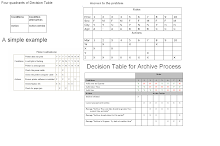
Important image details for the Decision tables
Risk Management
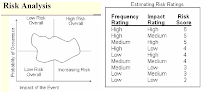
Risk Management